
Healthy Relationships Start With Emotional Safety
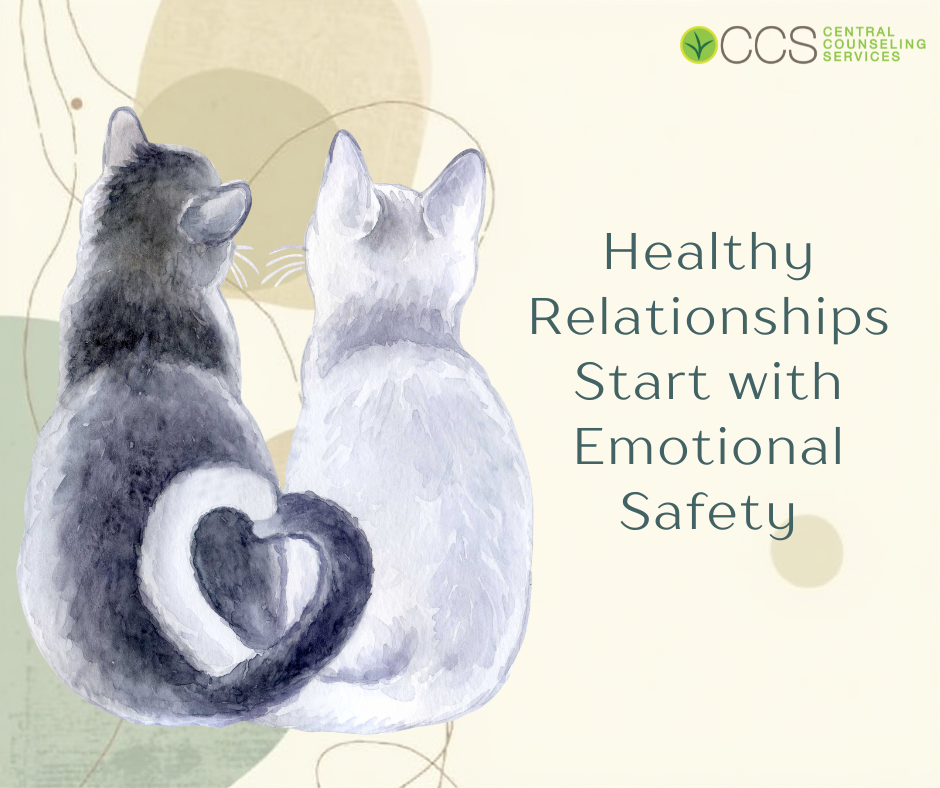
Healthy Relationships Start With Emotional Safety
When people think about healthy relationships, they often picture communication, trust, or shared values. While those things matter deeply, there’s one foundation that quietly supports them all: emotional safety.
Emotional safety is the feeling that you can show up as yourself without fear of judgment, punishment, or abandonment. It’s knowing that your thoughts, feelings, and experiences will be met with respect, even when they’re difficult or uncomfortable. Without emotional safety, even strong connections can begin to feel tense, distant, or fragile.
What Emotional Safety Looks Like
In emotionally safe relationships, people feel free to express themselves honestly. That doesn’t mean there’s no conflict. It means conflict can happen without fear. Emotional safety often looks like:
• Feeling heard when you speak, even if the other person disagrees
• Being able to share vulnerability without it being used against you later
• Knowing mistakes will be addressed with curiosity instead of criticism
• Feeling secure enough to ask for reassurance or space
When emotional safety is present, relationships become a place of rest rather than stress.
When Emotional Safety Is Missing
When emotional safety is lacking, people often adapt in subtle ways. They may avoid difficult conversations, downplay their feelings, or stay silent to “keep the peace.” Over time, this can lead to resentment, emotional distance, anxiety, or confusion about the relationship.
You might notice signs like:
• Walking on eggshells
• Fear of being misunderstood
• Withholding thoughts or feelings
• Feeling dismissed, minimized, or criticized
These patterns don’t mean a relationship is broken—but they are signals that something important needs attention.
Building Emotional Safety Takes Practice
Emotional safety isn’t something you either have or don’t have. It’s built over time through consistent, intentional actions. Small shifts can make a meaningful difference, such as:
• Responding with curiosity instead of defensiveness
• Validating feelings, even when you don’t fully understand them
• Repairing after conflict with accountability and care
• Creating space for honest conversations without rushing to fix or judge
These moments of repair and responsiveness are what strengthen connection.
Why Emotional Safety Matters for Mental Health
Relationships play a powerful role in our mental and emotional well-being. When emotional safety is present, stress levels decrease, communication improves, and people feel more grounded and secure. When it’s missing, anxiety, depression, and emotional exhaustion often increase.
Healthy relationships support healing. Unsafe dynamics can quietly undermine it.
Therapy as a Space to Rebuild Safety
Therapy offers a structured, supportive environment to explore emotional safety—both individually and within relationships. Whether you’re noticing patterns that feel familiar, struggling to communicate, or wanting to strengthen your connection, therapy can help identify what’s getting in the way and how to move forward with clarity and compassion.
At Central Counseling Services, we work with individuals, couples, and families to build healthier relational patterns rooted in respect, understanding, and emotional safety.
This Valentine’s season, we invite you to reflect on what safety feels like in your relationships—and what small steps might help create more of it.
If you’d like support along the way, we’re here.
About Central Counseling Services
Central Counseling Services provides compassionate, trauma-informed mental health care for individuals, couples, and families throughout Riverside, Murrieta, and the Inland Empire. Our clinicians support clients in building healthier relationships, strengthening emotional well-being, and creating lasting change in a safe, supportive environment.
Call: 951-778-0230
Visit: www.centralcounselingservices.net
If you are experiencing emotional, physical, or psychological abuse, help is available. You deserve safety, support, and care.
National Domestic Violence Hotline
📞 Call: 1-800-799-SAFE (7233)
💬 Text: START to 88788
🌐 www.thehotline.org
(24/7 confidential support, safety planning, and resources)StrongHearts Native Helpline
📞 1-844-7NATIVE (762-8483)
🌐 strongheartshelpline.org
(Culturally appropriate support for Native and Indigenous communities)RAINN – Sexual Assault Hotline
📞 800-656-HOPE (4673)
🌐 www.rainn.org
(Support for survivors of sexual violence)Local Emergency Services
If you are in immediate danger, call 911.
If you’re unsure whether what you’re experiencing is abuse or if you’re noticing patterns that feel unsafe, speaking with a therapist can help you gain clarity and support. You do not have to navigate this alone.
